The Weight of the Torch: Reflections on the End of the Cook Era
By Abdur Rahman Emon3 min read
We often talk about leadership in terms of market caps and product cycles. We measure success in Trillions of dollars and units shipped. But as I sit here in April 2026, absorbing the news that Tim Cook will officially transition to Executive Chairman this September, I find myself thinking about something much more human: The burden of the Successor.
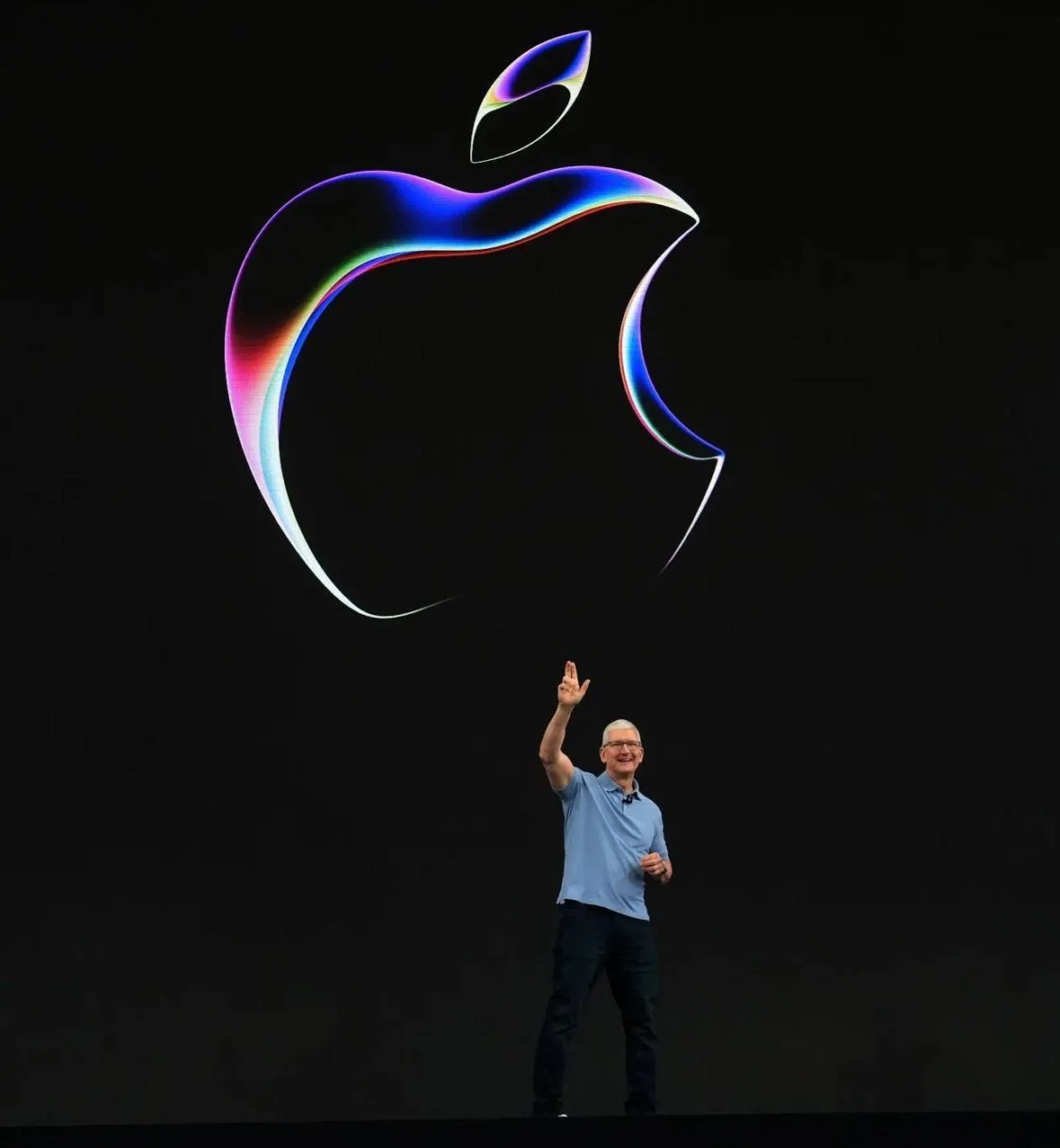
For fifteen years, Tim Cook didn’t just run a company; he lived in the shadow of a ghost. When he took over in August 2011, the world didn’t ask if he was a good executive — they asked if he was Steve Jobs. He wasn’t. And that turned out to be his greatest strength.
1. The Art of the Steady Hand
Cook’s tenure taught me a lesson that I carry into my own work as a project manager every day: Reliability is a form of genius. Under his watch, Apple didn’t just “move fast and break things.” It moved with intention. He grew the company from a US$350 billion valuation to a staggering US$4 trillion powerhouse, nearly quadrupling annual revenue. But his real masterpiece wasn’t just the balance sheet; it was the machinery behind the curtain.
He steered the company through the high-stakes transition to Apple Silicon, ending a decade of reliance on Intel and proving that Apple could own its entire stack. He didn’t just sell gadgets; he built a fortress of services and an ecosystem (Watch, AirPods, Vision Pro) so integrated that leaving it became unthinkable. As someone who balances technical debt with team coordination, I’ve always admired his “quiet” leadership, proving you don’t need to be the loudest in the room to be the most impactful.
2. The Engineer’s Ascent: Enter John Ternus
Now, the spotlight shifts to John Ternus.
Unlike Cook, who rose through the ranks of operations and supply chain logistics, Ternus is a “builder’s builder.” A 25-year veteran and mechanical engineer, he has been the invisible hand behind the products we touch every day — from the very first iPad to the recent, impossibly thin iPhone Air and MacBook Neo.
There is something poetic about an engineer stepping into the CEO role in 2026. We are at a crossroads where the “soul” of our devices is being redefined by Agentic AI and spatial computing. Ternus isn’t just a manager of people; he’s a manager of possibilities. He is credited with lobbying for iPadOS to give the tablet its own identity and for pushing the boundaries of hardware-software integration that we now take for granted.
3. The “Product-Led” Philosophy
In my own journey — from contributing to WordPress Core to leading teams at Startise — I’ve realized that the hardest part of leadership isn’t starting something; it’s ensuring it survives you.
Cook is handing over the keys not because he has to, but because he knows that the next era requires a different kind of energy. The transition to Ternus signals a shift back toward Product-Led Growth. It tells us that in a world dominated by AI agents and complex hardware, the person at the top needs to understand not just how a company makes money, but how a product actually feels in a user’s hand.
A Personal Reflection on Legacy
Why does this feel personal to me?
Because we are all “CEOs” of something. We are all building products, managing teams, or nurturing communities. We all face that inevitable moment where we have to decide: Am I holding on too tight? Is it time for a new perspective to lead the way?
Watching this transition reminds me that legacy isn’t just about what you built; it’s about how well the person who follows you is prepared to build the next thing. Cook’s real legacy isn’t the iPhone’s growth or the Vision Pro. It is the stability he created, a foundation so strong that Ternus can now stand on it and look toward a future we haven’t even imagined yet.
To the leaders, the builders, and the successors: May we all be as intentional with our endings as we are with our beginnings.
First published on Medium Read it there